The cooking oil is used on a daily basis is something that most of us don’t even think about. It’s easy to pick the bottle closest to you and believe it’ll work for everything. The truth is that oils behave very differently depending on heat or flavour as well as fat composition. Understanding those differences is one of the best ways to cook more delicious food at home.
The choice should not be made based on news headlines or current trends. It should be based on how each oil performs in real cooking situations.
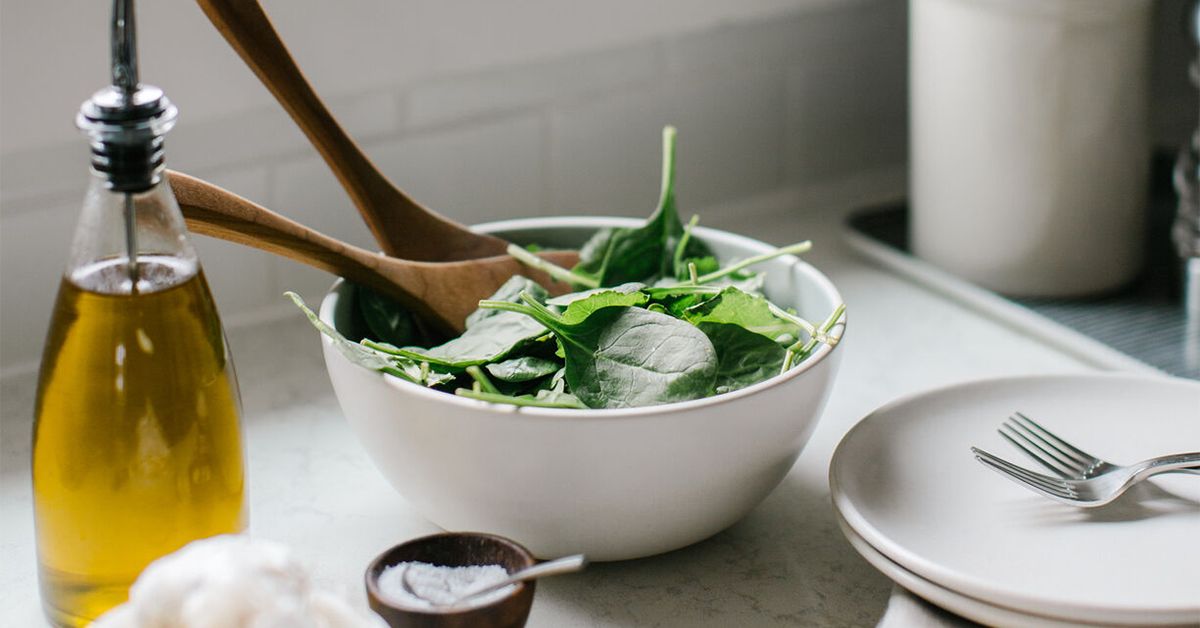
The importance of oil selection is much greater than you imagine.
Cooking oil serves three primary roles. It is a conduit for heat from the oven into the food. It isn’t always obvious or obvious. Thirdly, it can affect nutrition depending on its type and durability at high temperatures.
When an oil heats up it doesn’t smoke, it starts to break down. It also can cause an unpleasant taste and reduce the nutritional value. Making use of the wrong oil for the wrong purpose can lead to food that is bland, bitter, or greasy even when the recipe is good.
When using olive oil in cooking it is recommended to use it with intention
Olive oil is being studied and is widely used in cooking. It is extracted by pressing olives. It’s a rich source of monounsaturated fat acids, along with antioxidants such polyphenols and Vitamin E.
Extra virgin oil is spicy sweet, strong and fruity. Olive oil is a great ingredient to cook with, and is particularly good to make marinades and dressings for salads. It can also be used to roast vegetables, lightly sauté or as a finishing touch to meals. In these cases, the flavour enhances the food instead of getting dispersed.
Extra virgin olive oil may not have the same smoke point as some people believe. For cooking with higher heat, refined olive oils are superior. It is milder in taste and has greater resistance to heat. This makes it perfect for cooking at higher temperatures, such as frying, baking, roasting and baking.
Olive oil can be a healthy and tasty product when it is used in the right way.
Coconut Oil: Stable and Particular
Coconut oil is different from olive oils. The high saturated fat content ensures it is extremely stable when heated. This stability is the main reason people choose coconut oil for cooking.
Refined coconut oils have a very mild taste and are perfect for cooking, baking, or other uses where the stability of heat is important. Unrefined coconut oil retains a strong coconut aroma and flavor. This is a great flavor in curries, desserts and stir-fries but can also clash with other meals.
For health reasons It is best to consume coconut oil on occasion rather than every day. It’s good in high temperatures, but it doesn’t have the same antioxidants as avocado or olive oil.
Avocado Oil The Avocado Oil is both neutral and heat-friendly.
The widespread use of avocado oil is because of its capacity to handle temperatures. Avocado oil is the highest smoke point among oils that are typically employed for cooking. It is a great choice for searing or roasting food or grilling food, as well as for frying and cooking.
Avocado oil is richer in monounsaturated oils as well as vitamin E than coconut oil. This makes it healthier. Its flavour is neutral and mild, which is why it’s a good choice in situations where you don’t want the oil to impede the flavor of the food you are eating.
Avocado oil is an excellent option to cook at high temperatures.
How to Use Oils effectively
The best oil for every situation is not the one that works for every task. The most practical approach is to have more than one option available and use each intentionally.
Avocado oil is ideal for high-heat cooking. Avocado oil is ideal for high-heat cooking. Coconut oil is a great option to ensure stability of heat, or if the distinctive flavor is what you’re searching for.
By recognizing these differences you will be able to cook more precisely and without the need for guesswork.
Better Cooking Starts With More Basic Ingredients
A good meal doesn’t require expensive ingredients or complicated techniques. Small, consistent choices made with experience are often the key.
It is easy to boost your confidence and improve the flavor and texture of food by learning how to cook with avocado oil, olive oil, or coconut oil. Once you have a basic understanding of how oils perform in the kitchen, the other aspects will become much easier.