The month has ended. The sales were excellent, the P&L had a profit, and there was no sign of anything that appeared to be seriously incorrect.
Then you check the bank account of the restaurant.
The number may not be the one you were expecting.
This can be very frustrating for restaurant owners as they believe that profit and cash availability should be the same. However, they aren’t. The P&L is a gauge of financial performance, whereas the bank account is a record of when money moves into and out.
Knowing the difference can change the way a restaurant owner views their finances.
Consider what happens during an normal week. Customers pay for food. The payment of employees is essential. Food and drinks deliveries arrive with invoices. Rent is getting closer. The time frame for debits to credit cards differs. Taxes on sales have been collected, but that money has a responsibility.
In the meantime, next week’s purchase has already begun.
If you focus only on the amount of revenue or the final income, then you’ll miss a lot of this activity.
Prime Cost Could Hold the Key to the Answer
When restaurant profitability starts moving in the wrong direction, the food, beverages and labor expenses require the attention of restaurant owners.
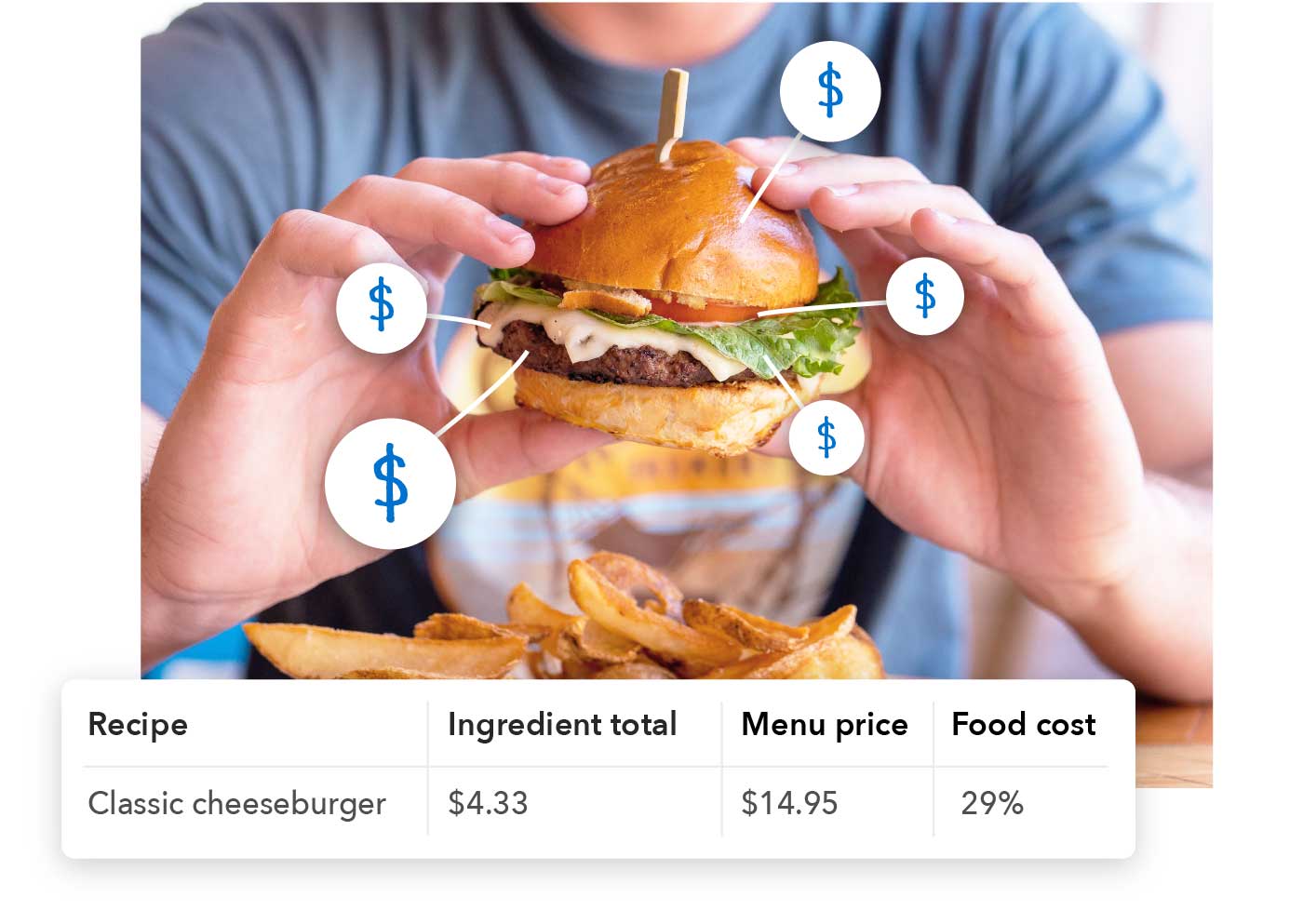
Prime cost consists of both the cost of items and labour. The Bookkeeping Chef’s guidance puts the primary cost at around 60%-65 percent of the revenue for many establishments, and emphasizes weekly monitoring rather than waiting until the closing of each month.
Effective prime cost management is less about obsessing over a single percentage and more about noticing movement early.
If the restaurant typically achieves its goals, but this week, it’s an increase in percent. Perhaps overtime was added. Perhaps beverage costs remained stable however food prices soared. A higher proportion of food could prompt the manager to look at buying, waste management portions and menus, or vendor costs.
The percentage is a source of concern. The activities that underlie the restaurant provide the answer.
A weekly report makes the conversation possible, while everyone will be able to recall what occurred.
After a period of two to three weeks, it becomes harder to reconstruct the particulars.
The Vendor’s Bills Are Received
Restaurants may buy ingredients this week, but then pay for them in the future. This explains why understanding profit alone doesn’t answer every cash-related question.
Invoices from vendors have to be tracked, accepted and paid. This can be quite a task in an organization that has numerous suppliers.
Automating the accounts payable process will help to organize the process by reducing the repeated handling of bills and payments. The bookkeeping system that is connected to the internet can give the user a better view of any obligations that haven’t yet reached the account of the bank.
That’s useful because a bank’s balance when seen in isolation can look healthier than a restaurant’s current position.
The current balance could be an amount of $80,000 in the account. It could be different when it is affected by other elements like rent or payroll, vendors, and other obligations for the next few days.
Cash flow forecasting is a normal outcome.
What will happen with our cash after we’ve gotten the cash we’ve been expecting and met all of our obligations?
It is vital to recognize what the distinction is when deciding if this week is a good opportunity to replace equipment, buy additional products, or conserve the cash flow.
and some of the cash Wasn’t Yours at All
The sales tax illustrates this in particular.
The money restaurant owners receive from patrons will eventually have to be handled in line with its tax obligations. If the money is mentally grouped with ordinary operating money, the bank’s balance can give a false idea of the money there to be spent.
Regularly maintained records allow restaurants to comply with sales taxes and provide management an accurate view of their financials.
This is one reason restaurant accounting can be more effective when financial responsibilities aren’t considered as distinct islands.
Prime cost affects margin. Vendor purchases impact COGS as well as future payments. Payroll impacts both labor percentage and cash. Sales tax impacts cash availability. P&Ls are used for recording financial performance. Forecasting is also beneficial for management.
The pieces join.
Bookkeeping Chef is a restaurant-specific report that integrates along with system integrations. Bookkeeping outsourcing services with specialization are an ideal alternative for businesses that do not have time to reconcile their financial information. They can take care of much of the accounting tasks without taking the owner away from the financial discussion.
The last section is very important.
Restaurant owners shouldn’t stop going through the manuals simply because they’re handled by someone else. It’s for owners to receive the information they need in a format that helps them understand the situation.
When the P&L indicates that the restaurant made money, but the bank account seems to be a bit tight, don’t presume that one of the numbers must be incorrect.
What transpired between the two?
The answer to that question will reveal more about your restaurant than any other number could by itself.