In a world where education and personal development play a major role in shaping the future, the concept of a natural learning community emerges as a symbol for holistic growth. Focusing on well-being and personal growth as well as the intrinsic curiosity of children, such communities create a symbiosis in which young minds can thrive in harmony with nature and the world around them. This article examines the transformative power of a natural-learning community and its profound effect on the development of children’s personalities and well-being.
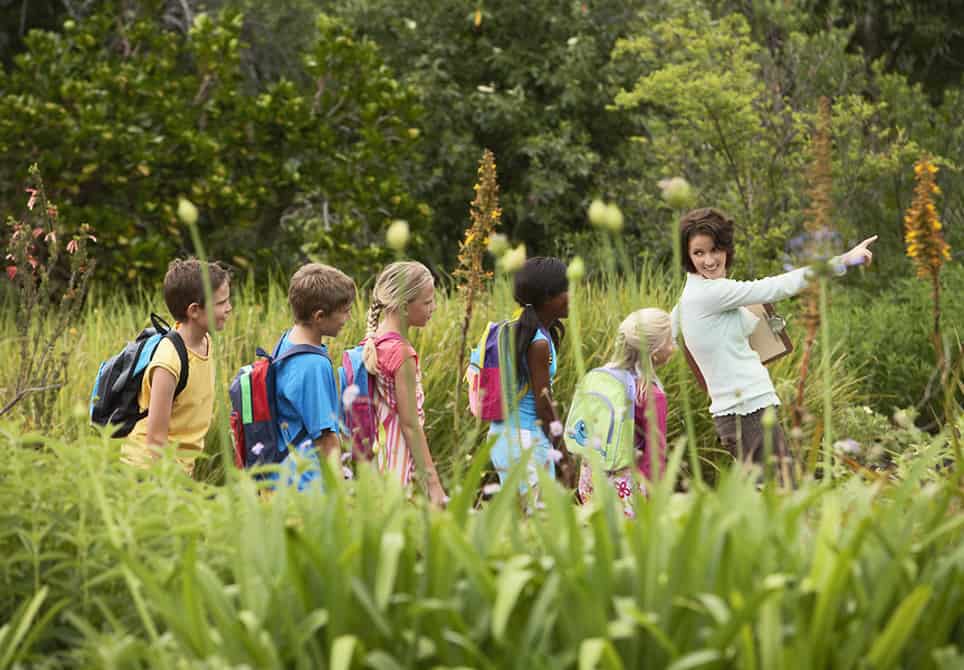
Learning in the natural classroom: the essence of an educational community that is natural
The core of a natural learning community lies a profound connection with the world around us. The environment is considered an active participant in the learning process as well as a background. Communities like these provide an unique environment for children to play, explore and learn by exploring the natural world.
In a learning environment that prioritizes well-being academic success is not the sole priority. The social, emotional and physical development of each child is equally considered. This holistic approach acknowledges the well-being of a child is an essential element for an effective learning experience and personal development.
The child’s natural curiosity and their learning A human-centric approach
Children are innately curious beings with an endless desire to learn and explore their surroundings. Natural learning communities tap into this fascination and permit children to interact with their environment effectively. Instead of confining education to the traditional classroom, these communities encourage active learning, sensory involvement as well as hands-on activities.
Within the safe confines of in a natural-learning environment, natural learning occurs naturally. They explore subjects that spark their interest to ask questions, find answers, and make connections. This method of pursuing curiosity will not only increase their knowledge, but also fosters a passion for learning that lasts throughout their lives.
The ideal place for personal development and overall well-being
Kids personal development thrives in an environment that values their uniqueness and supports their individual growth. Children can find a safe haven in a natural learning community, where they can begin their journey to self-discovery. By acknowledging their strengths as well as their strengths and areas to improve, children develop a deep confidence and self-awareness.
In such communities, personal growth isn’t just limited to educational milestones. It includes emotional intelligence, social skills, resilience as well as a sense of empathy. Children learn how to collaborate with their peers, deal with the obstacles they face and speak their truth. All of these skills are important for personal and professional performance.
Collaboration and learning through taking part in community activities
Participation in the community and collaboration are two of the key features that create a positive learning environment. Children participate in group activities, cooperative learning, and community service. This helps to create a sense of belonging and responsibilities. Working together to solve problems in the real world and make a an impact in their surroundings, children develop an understanding of their place in the wider community.
The combination of learning, health, and personal development in a learning community that is natural equips children with essential life skills. They learn the value of effective teamwork, effective communication, and ethical decision-making – characteristics that make them caring and responsible individuals.
Unveiling the transformative potential of children’s wellbeing and personal development
A natural learning community has the potential to transform lives by developing well-rounded and confident people who are prepared to meet the challenges of an environment which is in constant change. These learning communities combine academic excellence with holistic development and foster an environment which encourages children to grow as active and confident learners.
Natural learning communities foster the mental and emotional well-being of children by promoting their wellbeing. They learn about the importance of self-care, stress management and harmony.
Children who are engaged in their own development acquire an optimistic mindset that inspires them to tackle new challenges, take lessons from their mistakes, and work towards continuous improvement. This mindset becomes the foundation for a lifetime of resiliency and ability to adapt.
The importance of an integrated education and personal development in this age of rapid technological advancements and constantly evolving societal requirements cannot be overstated. The natural learning community is an excellent example of this philosophy. It’s a nurturing space where the needs of children are prioritized, and they can develop their curiosity as well as nurture their personal growth.
In accepting the transformative potential of nature, collaborative learning and participation in community activities These communities transform children into compassionate and able individuals. While embarking on their educational path, children form an intense connection to the environment surrounding them. They will be able to have an exciting future full of compassion, passion and a desire to keep learning throughout their lives.