Computer Numerical Control machining (CNC) has changed the way manufacturing and engineering is conducted in the last couple of decades. CNC machining is a method that uses digital technology in conjunction with traditional machining to produce high-precision parts in a variety of industries. This article discusses the advantages and the applications of CNC-machining. It also focuses on the impact it has on technology.
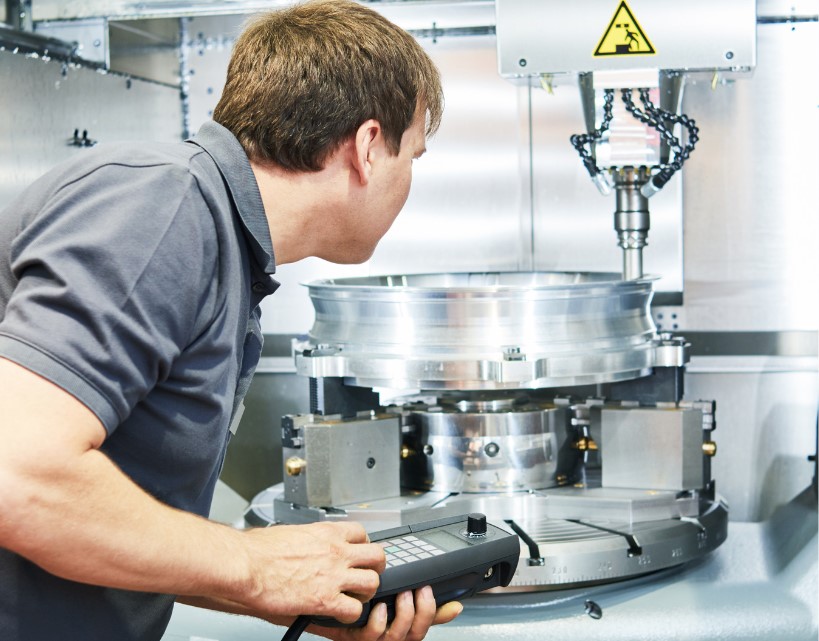
The mechanism of CNC Machining
CNC machining is a subtractive manufacturing technique by which it is able to remove the substance from a solid block or piece of workpiece to make the shape you want. The process is controlled by pre-programmed software that controls the motion of the machine. The code used for CNC machines varies depending on the type of machine used and the how complex the component is that is being produced. But the principle of operation remains the the same: a high-speed cutter is meticulously shaves material to create the final product.
The precision of CNC machine is among its most significant benefits. The digitalized nature of the process permits incredibly accurate and consistent manufacturing, minimizing human error while ensuring uniformity across batches. This is vital in areas like medical devices, aerospace, and manufacturing of automobiles, where small deviations can lead to serious consequences.
The role of digitalised computers in CNC machine operation
The integration of digital technology is the foundation of CNC the precision and effectiveness of CNC. CNC machines are controlled by specialized software that automates the entire manufacturing process. This software turns computer-aided designs (CAD) into an exact set of instructions to be followed by the CNC machine to make the part. The instructions are able to dictate everything from the speed and direction of the cutting tool to the length and angle of each cut.
In large industrial facilities that are of a greater dimension, computers are integrated directly with CNC machines. This allows for seamless communication and control. This integration allows real-time monitoring and adjustments to ensure maximum performance while reducing time to repair. CNC machining can be automated to allow for continuous operations, which increases productivity and reducing lead time.
The Benefits of CNC Machining
CNC machining provides numerous advantages over traditional manufacturing methods. The ability to make complex, intricate parts with a high degree of accuracy is one of the greatest benefits. The precision of CNC machines can eliminate the need to make manual adjustments or Rework, which reduces waste while improving efficiency. CNC machines also operate constantly and are ideally suited for production runs that are large.
CNC milling has another benefit: versatility. The same machine can be used to make a variety of components by simply changing the program. CNC machining can be used to produce large quantities and prototyping thanks to its ability to adapt.
Automation of CNC processing also enhances the safety in the workplace. The chance of injuries and accidents are reduced due to reducing the manual intervention. CNC-machined parts are also more durable and perform better, thereby increasing satisfaction of customers.
Industries Benefiting from CNC Machining Services
CNC-based machining is used in a myriad of industries. All benefit from its efficiency, precision, and versatility. In aerospace, CNC machines produce critical components that must comply with stringent quality and safety standards. CNC machines are used in the medical device industry to create complex surgical instruments and implant devices where precision is crucial.
CNC machineries are utilized in the automobile industry to produce parts for transmissions, engine parts and intricate interiors and exteriors. Electronics industries also benefit from CNC machineries, which are able to produce small, intricate parts for consumer electronics and communication devices. The jewelry and art industries use CNC technology to produce intricate designs and custom pieces.
The Future of CNC Machining
CNC capabilities in machining are predicted to increase as technology advances. Multi-axis processing and additive manufacturing integration are expected to continue to push CNC technology’s limits. Additionally, the ongoing development of artificial Intelligence and machine learning is likely to improve the efficiency and precision of CNC manufacturing processes.
CNC Machining is a potent instrument that has had a profound impact on manufacturing and engineering in the modern era. It offers unparalleled precision, flexibility, as well as efficiency. The ability to create complex parts with a high degree of accuracy makes it a valuable tool in a variety of industries. CNC machining is set to play a crucial function as technology improves.