Data is a valuable asset which has become an integral aspect of business. Data can be utilized to determine the fate of a company. Power BI and Microsoft Fabric are powerful tools that businesses make use of to maximize the value of data. These platforms form the heart of business intelligence. They also, when paired with Azure Data Factory they become an extremely powerful tool for data analytics and decisions.
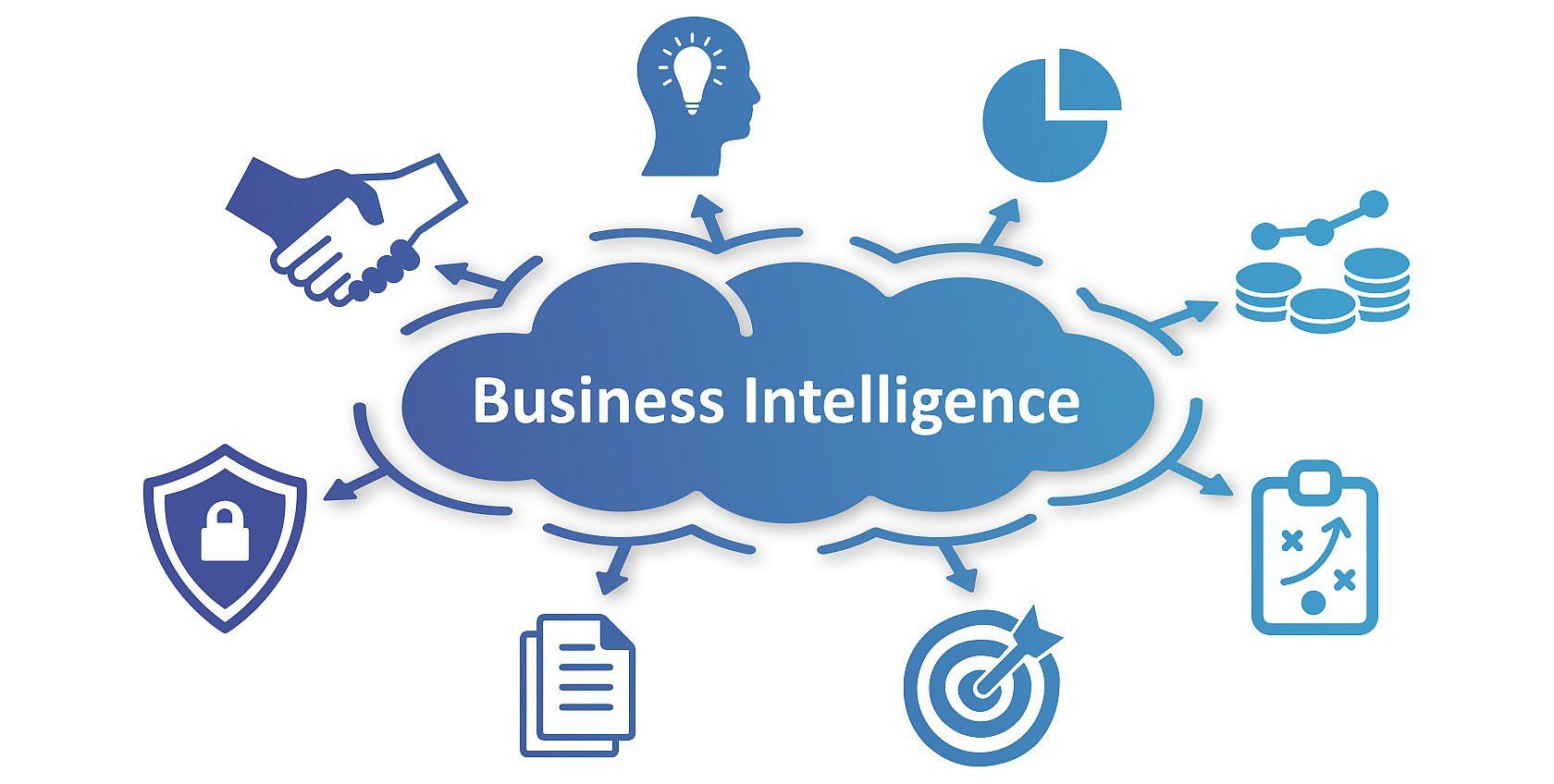
Power BI: Your Business Intelligence Companion
Power BI, a product from Microsoft, is a powerful business intelligence software designed to help businesses visualize and share the insights they gain from their data. Users can design interactive reports and dashboards that transform the data into useful insight.
Whether you’re a small startup or a large enterprise, Power BI adapts to your needs. It integrates seamlessly with various sources of data that make it simpler to consolidate information from multiple platforms and databases. The intuitive drag and drop interface makes it possible for even non-technical users to produce meaningful reports.
Power BI’s platform provides instantaneous data processing. This guarantees that you’re working with current information. The platform provides a variety of visualizations that allow the presentation of data in an easy-to-read, engaging way. The possibility of sharing and collaboration reports with colleagues enhances decision-making and fosters a data-driven culture within your company.
Microsoft Fabric The Fabric Together of Data Excellence
Microsoft Fabric is an underpinning framework which connects and orchestrates the data of various Microsoft services. It’s the fabric that weaves your data into a unified, usable entity, enabling companies to get insights easily.
Microsoft Fabric is the foundation of the integrity of data and its consistency in a world where businesses are faced with ever-growing volumes of data. It connects to a variety of services, ranging from Azure Data Lake Storage and Azure SQL Data Warehouse, to Power BI and more. The interconnectedness of the services ensures that data is flowing smoothly and that information can be drawn from multiple sources.
The broad range of Microsoft Fabric is apparent in its data transformation capabilities. It can be used to organize data, cleanse and make it ready for analysis and ensure that it complies with the policies of your data governance organization. Microsoft Fabric assures you that your data is correct, reliable and ready for analysis.
Azure Data Factory – The Gateway to Data Transformation
Azure Data Factory is another important component in the current business intelligence landscape. It’s a cloud data integration tool that lets you build, plan and manage workflows that use data. Azure Data Factory allows for valuable insights by orchestrating the transformation of data and its movement.
Azure Data Factory’s flexibility in connecting to different data sources is one of its key advantages. It doesn’t matter if the data is in the cloud or on your premises You can connect it easily to provide a comprehensive overview of your data’s ecosystem. The platform supports batch processing streaming of data in real-time as well as analytics based on big data, which makes it ideal to a range of uses.
Azure Data Factory provides a visual interface that makes it easier to manage the creation of data pipes. You don’t need to be an expert in programming to design, schedule, or monitor workflows in data. Users can be in charge of data integration and self-service data preparation.
Power BI, Microsoft Fabric and Azure Data Factory: The Power Trio
If Power BI and Azure Data Factory are paired to create an impressive trio that can transform your data analysis processes. Here’s how they synergize:
1. Data Integration: Azure Data Factory can connect to various data sources and ensure that your data is accessible. This data integration capability feeds Microsoft Fabric which orchestrates data across various services. This will ensure that your data is properly arranged, cleaned and then is ready for Power BI analysis.
2. Microsoft Fabric’s Data Transformation is crucial for meeting your analytical needs. The fabric is a powerful instrument for data transformation including data cleansing, data transformation and data wrangling.
3. Power BI is able to take over after your data has been prepared and refined. Power BI enables you to make visually appealing reports and dashboards that make complex data easy to comprehend. These insights can be shared with your team members to enable data-driven decision-making.
4. Scalability: Azure Data Factory can expand to handle growing volume of data. The combination of Power BI with Microsoft Fabric will ensure that your data is stable and reliable even when your business grows.
5. Power BI & Azure Data Factory can provide real-time information that is critical for a fast and efficient decision making.
Conclusion
Business intelligence is changing rapidly and companies must leverage the power of data to stay ahead. Power BI, Microsoft Fabric and Azure Data Factory are a powerful trio that can assist you in taking your company intelligence to new levels. You can create stunning visualizations, make sure you have that your data is consistent, or speed up the workflow of data, this trio is a perfect fit. Make your data more effective through the use of business intelligence.