On a Civil Plan make a box indicate a lift station. It’s then easy to envision it as an individual part of the equipment.
The water is actually pumped from somewhere and then pumped to the facility. The station is also dependent on controls, power access to the site, structural components, and connections to the infrastructure around it.
If you are looking for the top designers of lift stations, it is important to inquire if the engineers consider those interfaces, as well as what happens at the station.
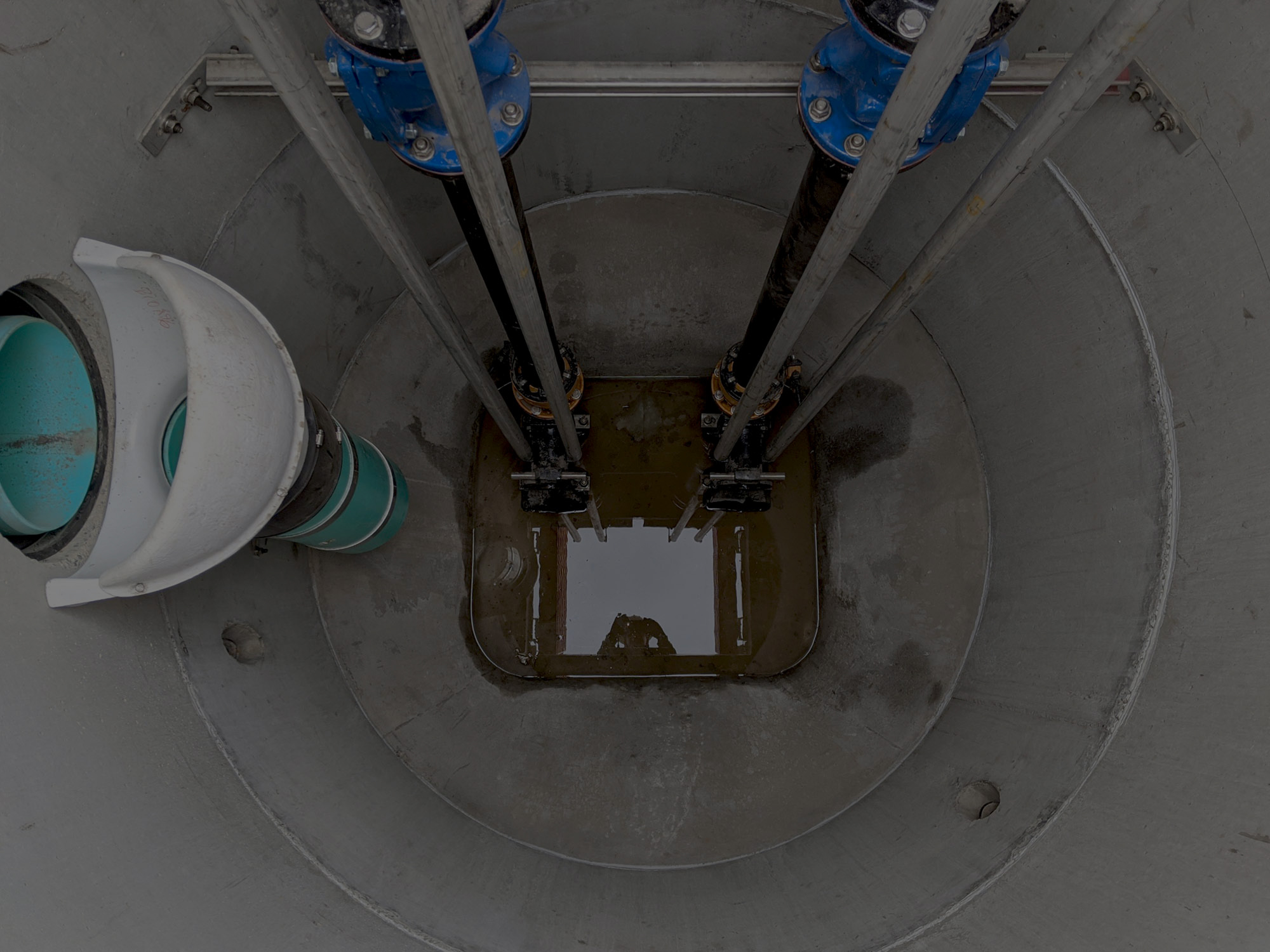
Image credit: romtecutilities.com
From the Wet Well
For an example, think of a new residential project. The wastewater is pumped through the collection systems towards the lift station. The elevation of the site and the incoming conditions of flow determine how much the station can manage.
Once wastewater has reached an untreated well then a new set of decisions in engineering is made. Pumps, piping and valves as well as structural components, controls, and perhaps auxiliary equipment must be suited to the specific application.
Romtec Utilities is a wastewater system designer that designs systems that are tailored to the needs of each site, whether it be industrial, commercial or municipal.
This is because the specific project process can be vital due to the fact that changes in the flow of water can affect the requirements of the pumping system to accomplish.
Continue to follow the water well beyond the pumps
The engineering problem isn’t over with the liquid leaving the well. The pumping mechanism must move it against the conditions in the downstream system. Required flow and head conditions affect the selection of pumps and station arrangement.
That connection is particularly important when evaluating the best wastewater designers. Pumps may boast impressive specifications by itself but its performance requires to fit into the complete hydraulic system.
Romtec Utilities can design the structural, mechanical, electrical and communication components of a pumping station as an integrated system, helping coordinate the equipment with the conditions established for the project.
Stormwater has its own network of connections
Stormwater is a unique infrastructure challenge. Runoff can flow into the collection system via developed areas, and later travel through treatment, detention or drainage infrastructure. Pumping stations are part of a bigger stormwater management strategy.
It is important for organizations seeking the most efficient water designers to think about the specific conditions on the site, the flow rates, the head specifications, environmental factors and the stormwater plans in general.
Romtec Utilities supplies customized stormwater pumping systems for commercial, residential, industrial, and municipal projects instead of relying upon the same configuration for each application.
Coordination Extends Above Ground Too
There are many interfaces that do not involve pipes. Electrical service has to support the equipment. Communication and control systems must be adapted to project requirements. Contractors should be able to access the appropriate plans and documents. Installation, startup and service might require physical access.
These connections can be made between several disciplines and project partners, making clear system documentation particularly valuable. Romtec Utilities provides complete plan sets as well as associated documentation for projects and can support its systems by assisting with the process of startup, testing, and commissioning.
Check Outside the Station Boundary
If the external connections of a lift aren’t properly thought of, a well-engineered lift station could still be part if it’s a poorly planned project.
Water can give you a more clear view on design. Where did it come from? Under what conditions does it arrive at the station? What will happen once it’s there? What happens when it’s out? What infrastructure allows the whole process to function?
Answering those questions turns the concept of a lift station exercise in equipment into a process of infrastructure engineering.